

Deep Tissue Massage in San Antonio, TX
Targeted, heavy‑pressure bodywork that breaks knots, restores mobility, and keeps you mission‑ready
What is a deep‑tissue massage and how can it help me?
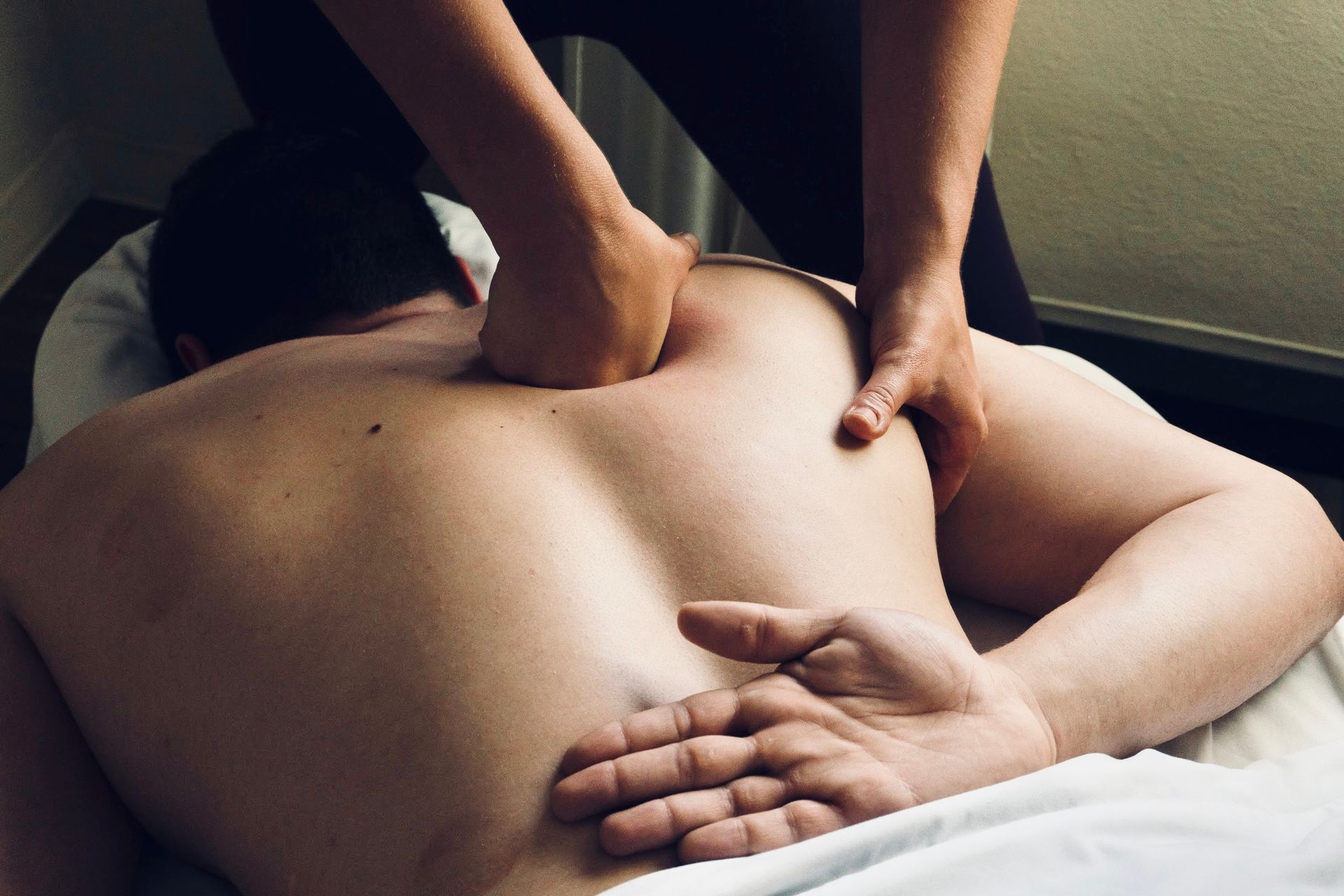
Deep‑tissue massage goes beyond relaxation to reach the dense layers of muscle and fascia that hold stubborn knots and chronic pain. Using slow, deliberate strokes, elbow and forearm pressure, and focused trigger‑point work, our therapists release adhesions that limit range of motion, compress nerves, and fuel inflammation. It’s the gold‑standard for runners hammering Hill Country hills, military members preparing for PT tests, and desk warriors locked in “tech‑neck” posture. Many of the clients we work with come to us with persistent tightness, sciatic-type discomfort, muscle strains, shoulder restrictions, or repetitive-use discomfort from work, exercise, and everyday activities.
Our Deep Tissue MassAge Options
*We also accept HSA and FSA cards
Benefits of a Deep Tissue massage
- Rapid knot release – breaks up adhesions in shoulders, hips, and calves that foam rollers can’t touch.
- Improved range of motion – frees stuck fascia so squats, overhead presses, and daily movements feel effortless.
- Reduced chronic pain – slows nerve‑related pain signals linked to sciatica, low‑back strain, and tension headaches.
- Better posture – lengthens shortened chest and hip flexor muscles, counteracting hours at the computer or in tactical gear.
- Faster athletic recovery – boosts nutrient delivery while flushing lactic acid after PR‑level efforts on the River Walk.
- Stress hormone reduction – even intense pressure triggers a parasympathetic response for deeper sleep and clearer focus.
Common Conditions A Deep Tissue Massage May Address
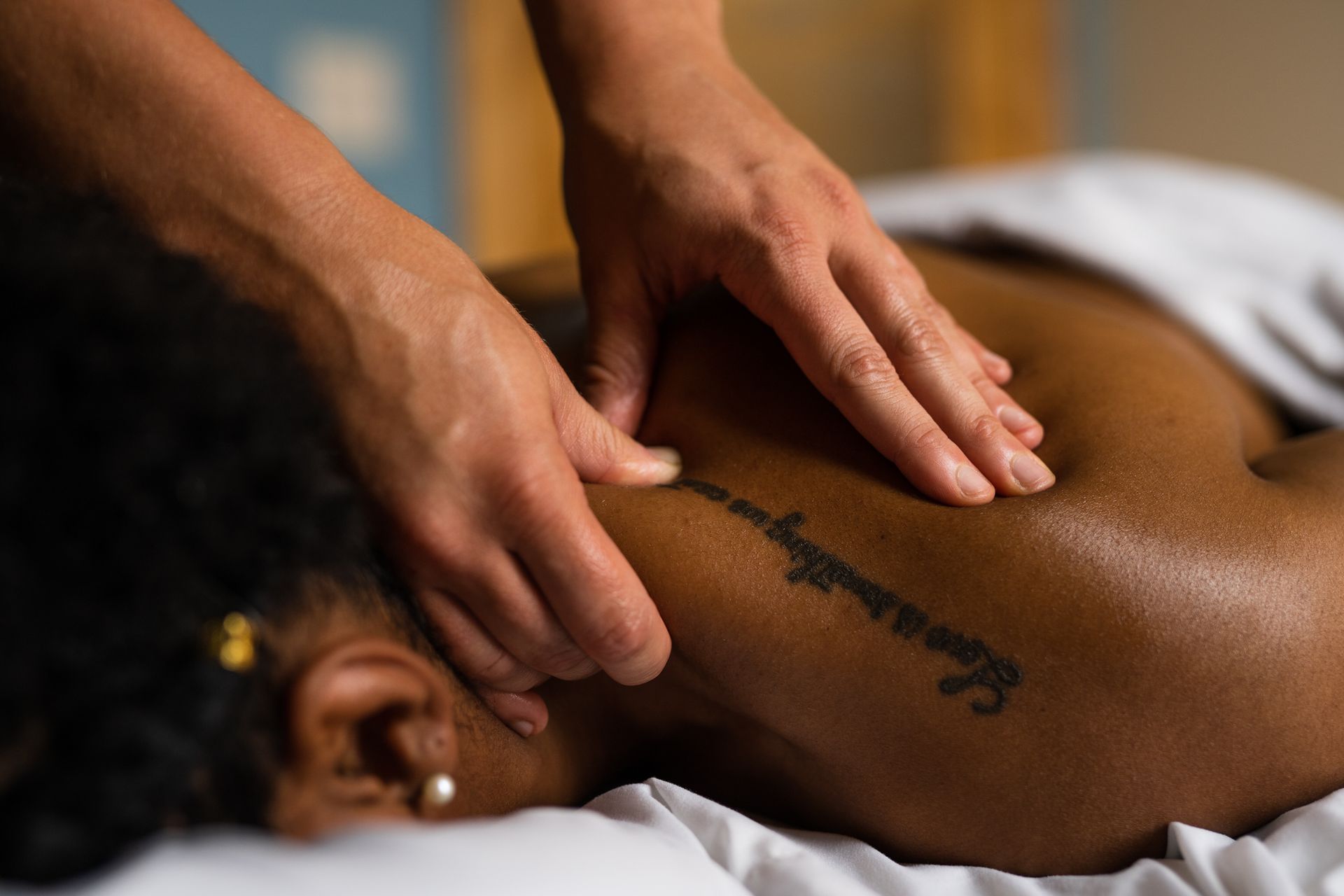
Some of the more common concerns we see from clients seeking deep tissue massage include:
- Chronic neck and upper‑back knots – trapezius trigger points causing tension headaches.
- Low‑back pain – lumbar stiffness from heavy lifting, long drives, or patrol duty.
- IT‑band and hip tightness – friction and knee pain in runners and CrossFit athletes.
- Sciatica‑like leg discomfort – piriformis tension referring pain down the thigh.
- Frozen shoulder & impingement – restricted overhead movement in firefighters and swimmers.
- Repetitive‑strain injuries – carpal‑tunnel‑type wrist ache and forearm tightness from keyboard use.
- Scar‑tissue adhesions – post‑surgery or old injury fibrosis limiting muscle glide.
- Plantar fasciitis – heel pain eased by deep calf and foot fascia release.
Testimonials
If massage therapists are the unsung heroes of stress relief, then Bethany is a superhero! Not only am I freed from aches and pains, I also get a tremendous mood boost and a reduction in stress. Bethany and her team of massage therapists are the best in San Antonio!
-Sabine W.
Had my first ever massage session with Tommi, and I couldn’t have chosen better. She’s very attentive and easy to chat with. Also the studio was clean and comfortable. Tommi was able to really go after my upper back and shoulders, nearly eliminating all my soreness from stress and bad desk posture. I’ll definitely be back for more sessions.
-Steve S.
I've been a client of Bethany's for 4 years. As a competitor (bodybuilding) I see her routinely for the sports massage with cupping. Bethany is amazing and definitely understands an athlete's unique needs when it comes to massage therapy and muscle recovery. If you are an athlete of any kind I Highly recommend!!!
-Keisha

Why Choose Fellows Massage and wellness for a Deep-Tissue Massage?
At Fellows Massage & Wellness Center, deep tissue massage is tailored to what your body needs rather than simply applying more pressure. We take into account where you’re experiencing discomfort, how you move, and the areas of tension that may be contributing to the problem.
We’ve found that discomfort is often connected to more than one area of the body. For example, tightness or restricted movement in one muscle group may contribute to discomfort somewhere else. Because of this, your massage therapist may work on surrounding or connected areas instead of focusing only on where you feel pain.
Our goal is to provide focused, therapeutic bodywork that helps reduce muscle tension, improve mobility, and leave you feeling more comfortable in your everyday activities.
FAQs for Deep-Tissue Massages
How long should my first session be?
Start with 90 minutes if you have multiple problem areas; 60 minutes works for focused regions like neck and shoulders.
Will I be sore afterward?
Mild soreness, similar to a tough workout can last 24–48 hours. Hydrate well and use gentle stretching to ease it.
How often should I schedule?
For chronic pain, weekly sessions for 3–4 weeks jump‑start progress; maintenance every 3–4 weeks keeps tissues healthy.
What’s the difference between sports and deep‑tissue massage?
Sports massage includes movement‑specific stretching, cupping, or scraping; deep‑tissue centers on slow, heavy pressure to break adhesions.
Is it safe if I have osteoporosis or blood‑thinner medication?
Deep‑tissue pressure may be modified or contraindicated. Let us know your medical history so we can adjust safely.
Do you accept HSA and FSA Cards?
Yes, We also accept HSA and FSA cards.
Looking For A Gift?
Treat your loved ones to the ultimate gift of stress relief and rejuvenation.